

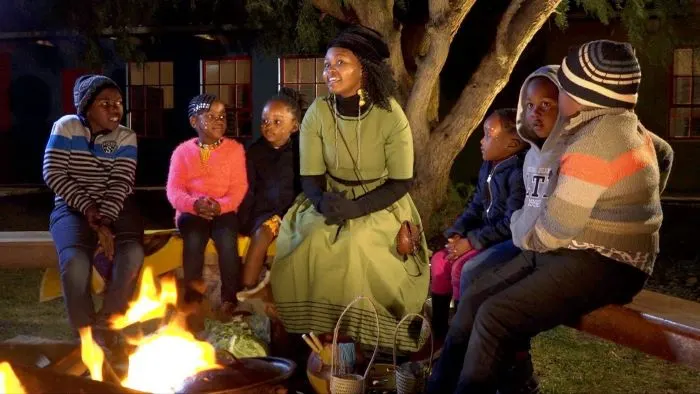
Storytelling has long been one of the most profound ways to create transformation—especially in the education of children. In many African communities, storytelling was once the very foundation of informal education. During evening gatherings around the fireplace, grandparents would pass down values, history, and wisdom to their grandchildren through captivating tales. These weren’t just bedtime stories—they were life lessons, intentionally designed to shape behavior, character, and identity.
This rich tradition made the family the first and most important institution in nurturing child wellbeing, with grandparents often taking on the role of primary educators. Although this model may seem outdated in today’s fast-paced, digital world, its power and purpose remain timeless.
The Lost Art of Intentional Storytelling
While it’s tempting to view these traditional forms of education as inferior to modern schooling, the reality is quite the opposite. These stories communicated what truly mattered—respect, honesty, courage, generosity—and they ignited curiosity in the hearts of children. Through repeated storytelling sessions, children not only learned but began asking questions, solving problems, and imagining possibilities.
What made this effective? The intentional presence of the storyteller. Grandparents did not wait for the “perfect moment.” They were available, generous with their time, and committed to shaping their grandchildren’s lives—not for money, but for love and legacy.
From Tradition to Transformation: The LIT Approach
At CALISCO, we recognize the enduring power of storytelling and seek to revive it intentionally through our LIT Program—Learn, Integrate, Teach. LIT is built on the understanding that every child holds untapped potential and that storytelling can unlock it.
In today’s world, children face intense competition, rising costs of education, and unequal access to learning. But rather than longing for the past or waiting for ideal conditions, we can build environments that mirror those storytelling circles—where love, wisdom, and connection thrive.
Through LIT, we coach and mentor parents and caregivers to become storytellers—narrators of transformation. By telling the right stories, we can:
- Spark curiosity
- Develop listening and patience in children
- Inspire creativity and confidence
- Build trust and meaningful relationships
When a child listens to a powerful story, they don’t just remember it—they live it. They begin to reflect, ask questions, and shape solutions to their own life challenges. That’s transformation.
Wisdom Meets Research: The Science Behind Storytelling
While some may doubt the “academic” value of traditional storytelling, it’s worth noting that it aligns perfectly with Howard Gardner’s Theory of Multiple Intelligences. Grandparents unknowingly tapped into linguistic, interpersonal, intrapersonal, and musical intelligences through their stories. Today, research confirms that such methods are scientifically effective for cognitive and emotional development.
Transformational leadership also supports this model. According to Bass & Riggio (2006), transformation occurs when leaders—like parents and caregivers—commit to a shared vision, mentor with intention, and develop others through challenge and support. Proverbs 22:6 affirms this spiritual truth:
“Train children in the right way, and when old, they will not stray.”
What Story Will We Tell This Generation?
Every community today must confront a crucial question:
How can we tell a story that triggers every child to ask life-changing questions?
The answer lies in intentional conversation. When parents and caregivers open safe spaces for storytelling, they allow children to express their feelings, explore ideas, and change their attitude toward life. More than education, this is formation. And when children feel understood, they begin to trust—and trust is the foundation of growth.
The stories we tell today will shape tomorrow’s leaders. It’s time to choose stories that inspire, teach, and heal.
Learning from Finland: A Modern Success Story
Finland is a global example of transformation through storytelling—at a national level. It took Finland 40 years to become one of the world’s best education systems. What made it work?
- Government commitment to education
- Careful selection of passionate teachers
- Collaboration between schools and families
- Supportive, non-competitive learning environments
- Focus on wellbeing over performance rankings
Remarkably, Finland’s approach was not about money, but about values and shared responsibility. Every stakeholder—from parents to policymakers—was invested in telling the same story: “Every child matters.”
A Call to Action
If Finland could achieve such transformation by prioritizing the role of teachers, we too can do the same by empowering parents and caregivers. With mentorship and support, they can confidently guide their children’s development, both academically and morally.
It’s time to build strong networks of parents, caregivers, and community members who work hand-in-hand with schools and churches. When all stakeholders tell the same story of transformation, a holistic education system emerges—one that raises not only scholars, but responsible, compassionate human beings.
Toward Good Governance in Education
True transformation requires good governance—not only in schools but across the entire ecosystem of child wellbeing. In Finland, accountability begins from the bottom up, with teachers and schools shaping their practices around shared human, moral, and spiritual values.
We believe the same is possible in Africa, and across the world, if we value storytelling not as entertainment—but as education.
Final Thoughts
The LIT Programme is CALISCO’s response to the challenges facing children today. By building the capacity of parents and caregivers to teach through storytelling, we reawaken a powerful, culturally rooted method of transformation.
Storytelling is not just about words—it’s about relationship, identity, and trust. And when told with purpose, stories do more than entertain—they equip children to thrive in life and leadership.
Let’s choose the right story. Let’s tell it with love. Let’s transform the world—one child at a time.